

Innovative Dental Solutions
Contact Us
READY TO GET SERVICE?
GENERAL AND FAMILY DENTISTRY
SEDATION DENTISTRY
PEDIATRIC DENTISTRY
COSMETIC DENTISTRY
ORTHODONTICS
ADVANCED DENTAL TECHNOLOGY
Procure Healthy Smiles
You can experience the dentistry that goes beyond the basics with Studio City Dental Group.
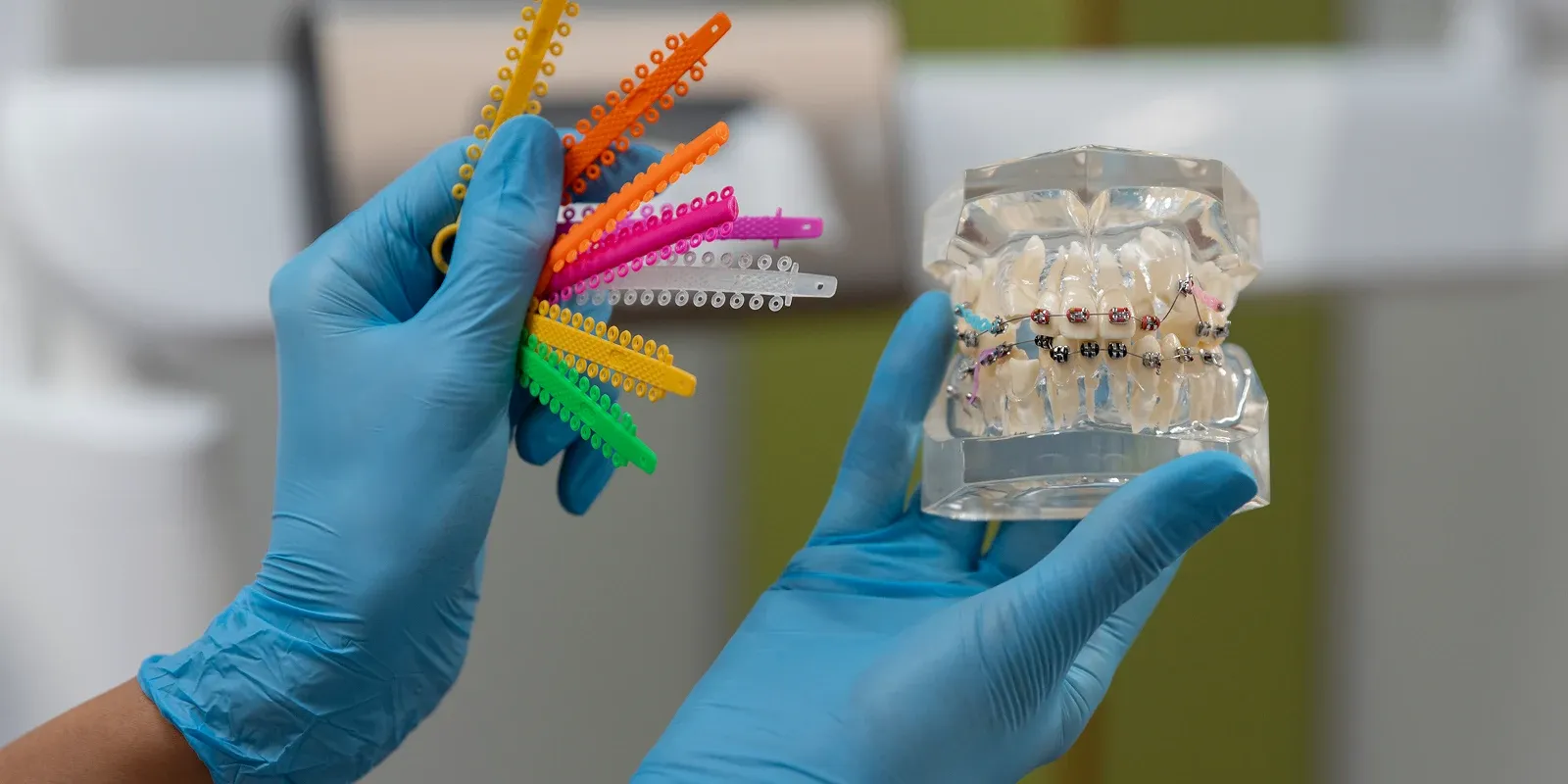
5 Ways Orthodontics Helps Prevent Long-Term Dental Problems
Dr. Melody Khonsari
December 12, 2025
Orthodontics and Dental Health
Orthodontics is often thought of simply as a cosmetic solution for crooked teeth, but its role in dental health extends far beyond aesthetics. Proper alignment of teeth and jaws can prevent future dental complications, making orthodontic prevention a critical aspect of lifelong oral wellness. With advanced options like Invisalign and Damon Braces, patients now benefit from treatments that are both effective and comfortable.
According to the American Dental Association (ADA), misaligned teeth contribute to uneven bite forces, poor oral hygiene, and an increased risk of cavities and gum disease. As dental professionals emphasize, preventive dental care through orthodontics is an investment in long-lasting oral health, reducing the likelihood of severe interventions later.
The natural question arises: how do braces prevent dental issues? By gradually moving teeth into their proper positions, braces correct misalignments that could otherwise lead to tooth wear, jaw pain, and gum complications. Research published in the Journal of Dental Research confirms that orthodontic treatment improves both oral health outcomes and patient quality of life.
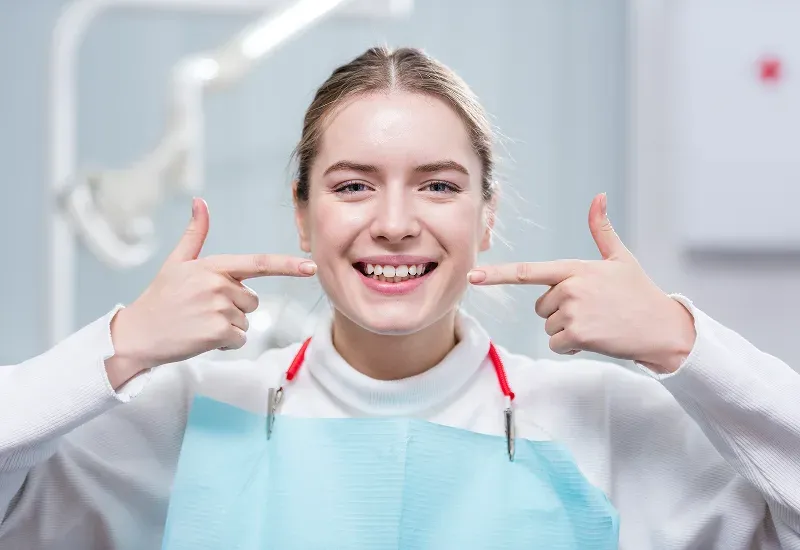
Improved Teeth Alignment and Oral Health
Proper alignment ensures that teeth are easier to clean. Crowded or overlapping teeth often trap food and plaque, leading to an increased risk of cavities and gum disease. Straight teeth allow for more effective brushing and flossing, contributing to orthodontics and oral hygiene, and reducing the likelihood of gum disease.
Patients who complete orthodontic treatment experience significantly better oral hygiene habits and reduced plaque accumulation. For example, properly aligned teeth prevent hard-to-reach areas, which directly supports dental disease prevention. Considering whether straightening teeth is preventive care, the answer is clearly yes, as research from the AAO (American Association of Orthodontists) highlights improved gum health and a lower incidence of cavities in treated individuals.
Bite Correction Benefits for Jaw and Muscle Health
Misalignment can cause uneven stress on the jaw muscles and joints, potentially resulting in chronic jaw pain. By correcting bite irregularities, orthodontics ensures proper force distribution during chewing, reducing strain on the temporomandibular joint (TMJ) and preventing long-term discomfort.
Proper bite alignment is not just about comfort; it safeguards overall oral health. Patients with corrected bites report fewer TMJ issues, reduced headaches, and improved chewing efficiency. The bite correction benefits of orthodontics extend into adulthood, providing a strong foundation for long-lasting oral health.
Tooth Wear Prevention and Longevity
Crooked or unevenly spaced teeth are prone to tooth wear prevention issues because some teeth bear more pressure than others. Over time, this can cause enamel erosion, cracks, or even fractures, increasing the risk of decay and long-term dental damage.
Orthodontic treatment redistributes bite forces evenly, protecting teeth from premature wear. Appliances like braces and Invisalign support prevent dental problems with braces by aligning teeth correctly, preserving enamel, and reducing the need for restorative procedures in the future. Studies referenced by the AAO demonstrate that aligned teeth maintain better durability and function, underscoring the long-term benefits of orthodontics.
Reducing Risk of Cavities and Gum Disease
Many patients ask, does orthodontics stop gum disease? While orthodontics cannot cure existing periodontal issues, it does prevent conditions that contribute to gum disease. Crowded teeth and misaligned bites trap plaque and bacteria, increasing the risk of cavities and inflamed gums.
Modern solutions like Invisalign make it easier to maintain oral hygiene during treatment. By straightening teeth and allowing easier access for cleaning, orthodontics reduces bacterial accumulation and promotes oral health maintenance. Proper alignment helps prevent long-term complications, making braces or aligners a proactive step in dental disease prevention.
Orthodontic Prevention in Children and Adults
Early Intervention and Pediatric Care
Orthodontic prevention is most effective when initiated early. Pediatric orthodontic evaluations can identify developing bite issues or misalignments before they become severe. Early correction encourages proper jaw growth, prevents tooth crowding, and reduces the risk of complex dental procedures later.
Adult Orthodontics and Ongoing Maintenance
For adults, the benefits of orthodontics remain substantial. Correcting alignment improves oral hygiene, supports tooth wear prevention, and alleviates jaw pain relief orthodontics. Advanced options like Damon Braces and Invisalign allow adult patients to achieve optimal alignment discreetly while contributing to the long-term benefits of orthodontics.
Promoting Oral Health Through Regular Monitoring
Orthodontic treatment does not end when braces are removed or aligners are completed. Regular check-ups and the use of retainers ensure that teeth remain in their corrected positions, preventing relapse and preserving the results of treatment. Continuous monitoring allows dentists to detect early signs of misalignment, supporting preventive dental care and long-lasting oral health.
Final Thoughts
Orthodontics is far more than a cosmetic procedure; it is a vital component of oral health maintenance and dental disease prevention. From teeth alignment and oral health to bite correction, jaw pain relief, and tooth wear prevention, orthodontic treatment offers measurable benefits that extend well into adulthood. Early intervention and modern technologies like Invisalign and Damon Braces make it easier than ever to achieve preventive results without compromising comfort or convenience.
By addressing alignment issues proactively, patients can prevent cavities, reduce the risk of gum disease, and maintain strong, healthy teeth and jaws over a lifetime. As the AAO and Journal of Dental Research emphasize, the long-term benefits of orthodontics include improved function, enhanced hygiene, and overall better quality of life. In short, straightening teeth is more than a cosmetic choice; it is an essential step in proactive, preventive dental care.
Investing in orthodontic treatment today ensures long-lasting oral health, fewer dental interventions in the future, and a smile that is both healthy and beautiful.
Resource:
5 Ways to Know If Your Child Needs an Orthodontic Evaluation
Share This:
Disclaimer
This media/content or any other on this website does not prescribe, recommend, or prevent any treatment or procedure. Therefore, we highly recommend that you get the advice of a qualified dentist or other medical practitioners regarding your specific dental condition.