

Innovative Dental Solutions
Contact Us
READY TO GET SERVICE?
GENERAL AND FAMILY DENTISTRY
SEDATION DENTISTRY
PEDIATRIC DENTISTRY
COSMETIC DENTISTRY
ORTHODONTICS
ADVANCED DENTAL TECHNOLOGY
Procure Healthy Smiles
You can experience the dentistry that goes beyond the basics with Studio City Dental Group.
7 Everyday Habits That Can Affect Your Braces or Aligners
by Dr. Melody Khonsari
December 26, 2025
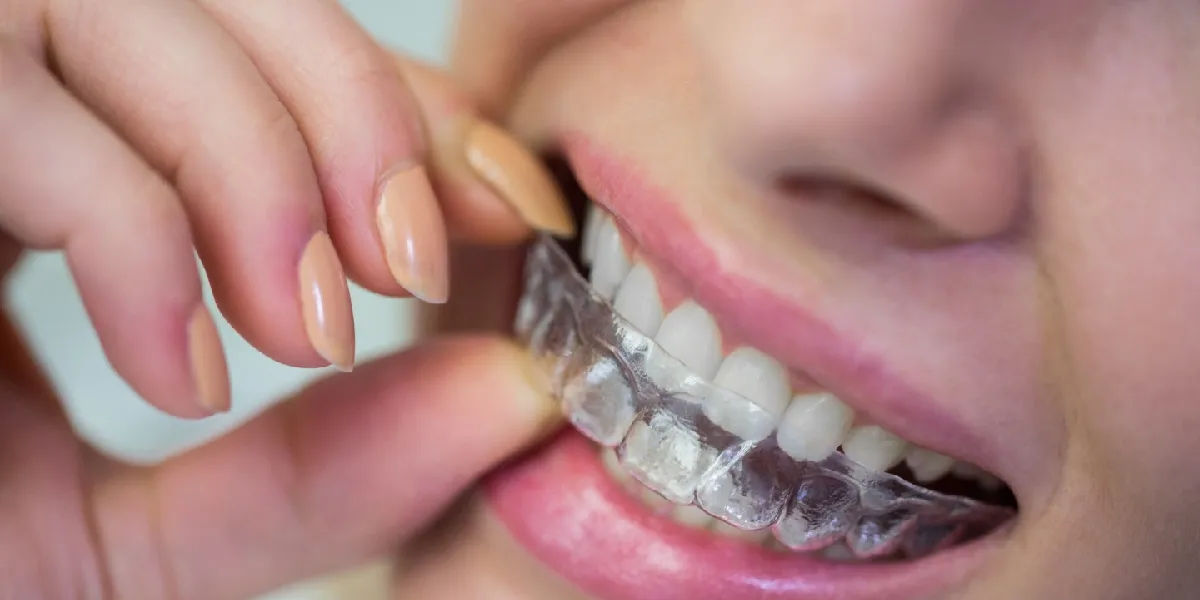
Orthodontic treatment is a long-term commitment that depends not only on professional care but also on everyday habits. While braces and clear aligners are designed to gradually move teeth into healthier positions, daily choices can significantly influence treatment success. Many patients unknowingly engage in behaviors that damage appliances, slow progress, or lead to avoidable complications. Understanding proper braces care tips and Invisalign daily habits helps patients protect their orthodontic treatment and achieve better results. Below are seven common habits that can affect orthodontic treatment, along with guidance on what to avoid and how to maintain a healthy oral routine.
Habit 1: Eating the Wrong Foods
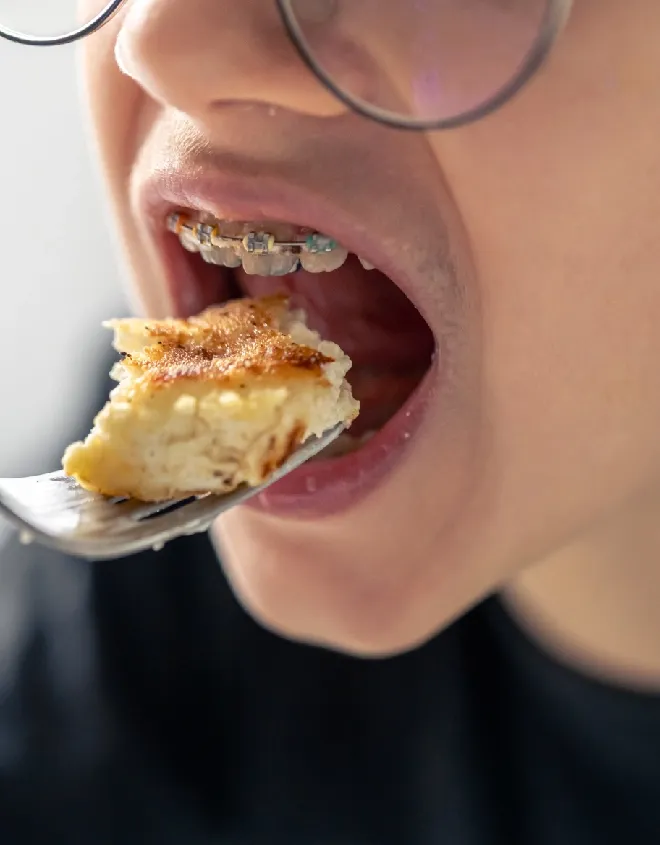
Diet plays a major role in orthodontic success. One of the most common questions patients ask is, what habits ruin braces? The answer often begins with food choices. Hard, sticky, and crunchy foods place excessive pressure on brackets and wires, increasing the risk of breakage.
Eating with braces requires extra care. Biting into hard foods can loosen brackets or bend wires, while sticky foods can pull appliances out of place. These issues often result in treatment delays and additional adjustments. A braces-friendly diet focuses on softer foods that reduce strain on orthodontic appliances while still supporting good nutrition.
For aligner users, eating without removing aligners is a major concern. Many patients ask, what foods damage Invisalign? Any food consumed while wearing aligners can distort their shape, reduce effectiveness, and compromise aligner safety. Removing aligners before meals and cleaning teeth before reinsertion is essential for proper care.
Habit 2: Chewing Gum or Ice
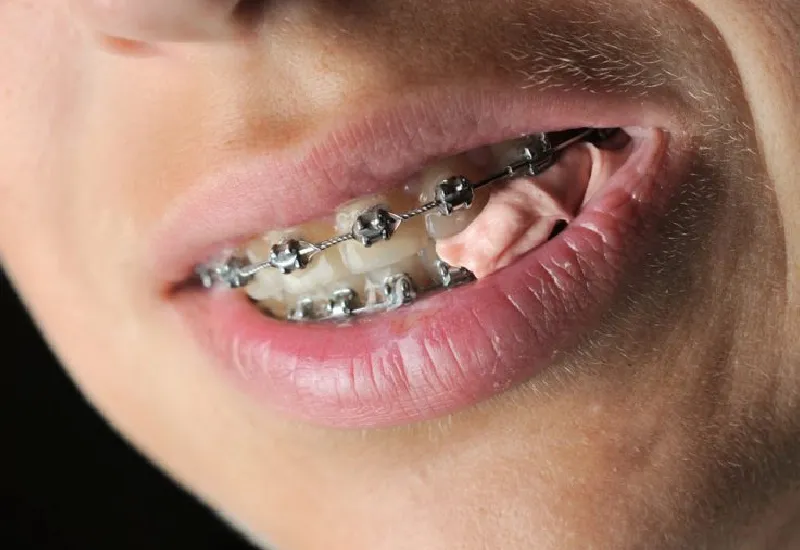
Chewing gum and ice may seem harmless, but they are among the most damaging habits during orthodontic treatment. Patients frequently ask, can I chew gum with braces? Gum often sticks to brackets and wires, making cleaning difficult and increasing the risk of damage.
Ice chewing is even more harmful. The excessive force created by biting ice can crack brackets, bend wires, or loosen attachments. This often leads to patients asking, can braces break from bad habits? Unfortunately, repeated pressure from ice chewing is a common cause of appliance failure.
For aligner wearers, chewing gum with aligners in place can warp trays and interfere with proper tooth movement. Avoiding these habits supports braces maintenance and helps prevent unnecessary repairs.
Habit 3: Poor Oral Hygiene
Maintaining proper oral hygiene is one of the most important aspects of orthodontic care. Plaque and food debris easily collect around brackets, wires, and aligners, increasing the risk of cavities, gum inflammation, and permanent staining. Patients often ask, how do I clean braces every day?
Effective orthodontic hygiene involves brushing after meals, flossing carefully, and paying special attention to areas around appliances. Poor oral hygiene with aligners can trap bacteria against the teeth, increasing the risk of decay and enamel damage.
Developing a healthy oral routine ensures that teeth and gums remain healthy throughout treatment. Good hygiene habits are essential for both braces and aligners and play a major role in treatment success.
Habit 4: Not Wearing Aligners as Directed
One of the most common bad habits with Invisalign is inconsistent wear. Patients often wonder, do aligners work if I skip wearing them? Clear aligners are designed to work only when worn as prescribed, typically most of the day and night.
Removing aligners too frequently or forgetting to wear them disrupts tooth movement and can significantly extend treatment time. This lack of compliance is one of the most common aligner errors and often results in treatment delays. Consistent wear is essential for predictable results and long-term success.
Habit 5: Using Teeth as Tools
Using teeth to open packages, tear labels, or bite nails places unnecessary stress on orthodontic appliances. While these actions may seem minor, they frequently cause broken brackets or bent wires.
This habit is one of the most overlooked orthodontic do’s and don’ts. Using teeth as tools increases the risk of appliance damage and often leads to additional appointments and extended treatment time. Avoiding this behavior protects braces and supports smoother progress.
Habit 6: Ignoring Professional Instructions
Some patients rely on advice from social media or friends instead of following professional recommendations. This often leads to confusion about proper care and contributes to orthodontic challenges. Ignoring instructions related to eating restrictions, cleaning routines, or aligner wear can compromise treatment outcomes.
Following professional guidance ensures that braces or aligners function as intended. Adhering to orthodontic do’s and don’ts reduces complications and supports treatment success.
Habit 7: Inconsistent Lifestyle Choices
Lifestyle choices play a significant role in orthodontic care. Frequent consumption of sugary or acidic drinks, smoking, and inconsistent hygiene habits increases the risk of staining, decay, and gum problems. These factors negatively affect lifestyle with braces and overall oral health.
Maintaining a braces-friendly diet, limiting harmful habits, and committing to daily care routines support braces maintenance and alignment safety. Healthy lifestyle choices help ensure that treatment progresses efficiently, and results are long-lasting.
Final Thoughts
Understanding what habits ruin braces empowers patients to protect their orthodontic treatment. From eating with braces to maintaining proper alignment wear, everyday choices have a direct impact on treatment success. Poor habits can damage appliances and delay results, while healthy routines support smooth progress and better outcomes.
By following braces care tips, maintaining oral hygiene with aligners, and avoiding damaging behaviors, patients can reduce complications and achieve a healthier, more confident smile. Consistency, awareness, and commitment to care are the foundations of successful orthodontic treatment.
Resource:
Wisdom Teeth Removal: Recovery Tips for a Smooth Healing Process
Share This:
Disclaimer
This media/content or any other on this website does not prescribe, recommend, or prevent any treatment or procedure. Therefore, we highly recommend that you get the advice of a qualified dentist or other medical practitioners regarding your specific dental condition.