

Innovative Dental Solutions
Contact Us
READY TO GET SERVICE?
GENERAL AND FAMILY DENTISTRY
SEDATION DENTISTRY
PEDIATRIC DENTISTRY
COSMETIC DENTISTRY
ORTHODONTICS
ADVANCED DENTAL TECHNOLOGY
Procure Healthy Smiles
You can experience the dentistry that goes beyond the basics with Studio City Dental Group.
8 Common Myths About Braces Busted by Orthodontic Experts
by Dr. Melody Khonsari
December 5, 2025
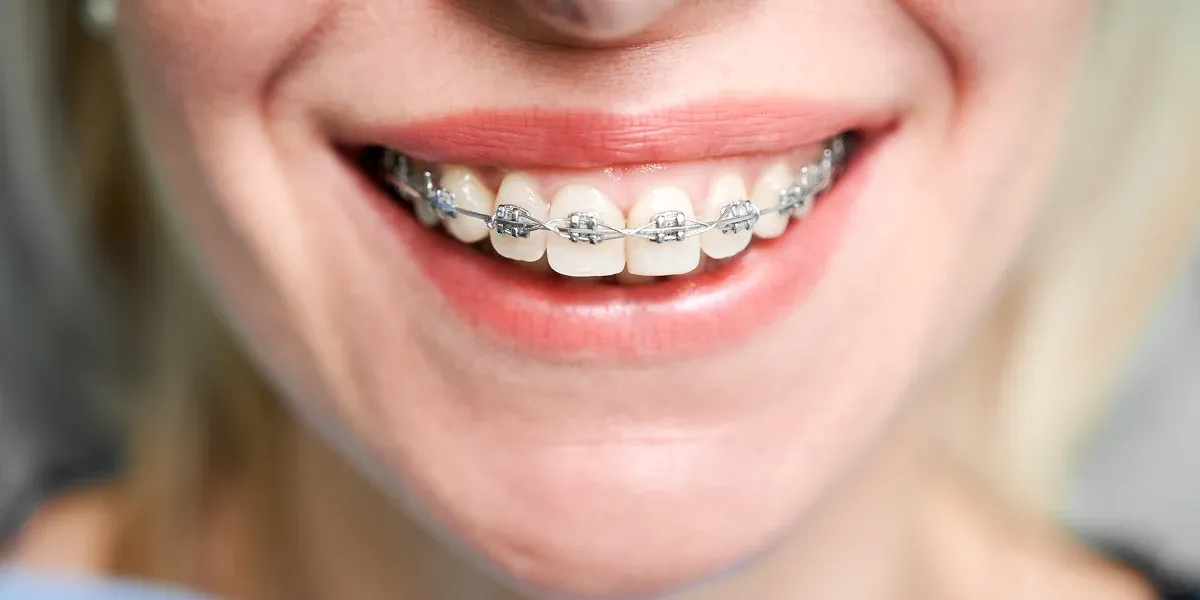
Understanding Braces Myths and Modern Orthodontic Truths
In today’s digital world, misinformation spreads quickly, and orthodontics is no exception. Social platforms, outdated advice, and assumptions have created countless braces myths, orthodontic misconceptions, and misleading stories about treatment. This has made it difficult for people to distinguish braces facts vs myths and understand what truly matters. The American Dental Association consistently emphasizes that properly guided orthodontic treatment is safe, predictable, and beneficial. This blog debunks the most common orthodontic myths using real orthodontic truth and clear teeth straightening facts, helping you feel confident about your journey.
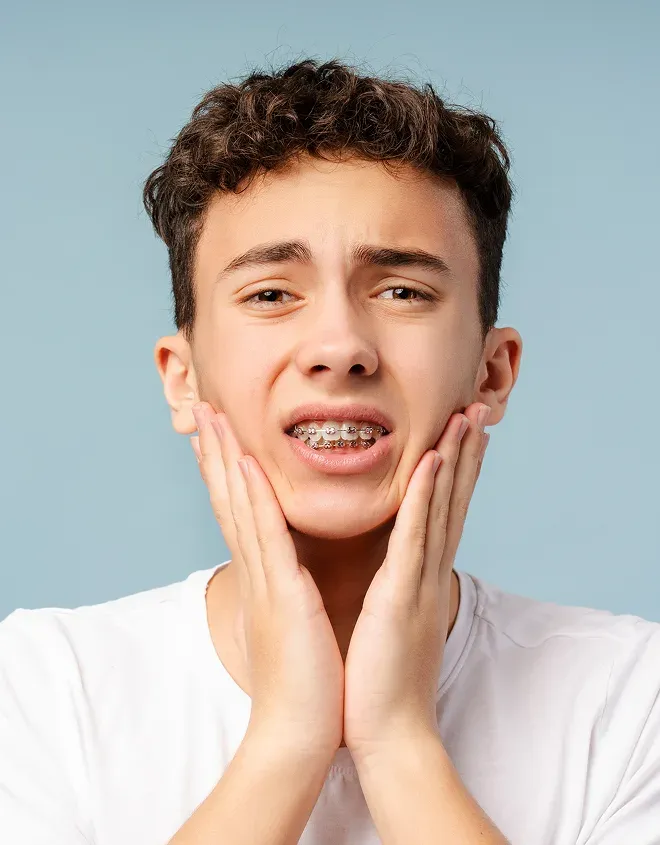
Myth 1: Braces Are Extremely Painful
One of the most persistent misconceptions is the belief that braces cause constant, unbearable pain. This outdated idea has become one of the strongest braces pain myths because of old-fashioned metal brackets and unpleasant stories people share online. The question: Are braces painful? appears frequently in searches, showing how widespread this fear is. Today, orthodontic technology has advanced significantly. Systems like Invisalign, Damon Braces, and ClearCorrect use specialized materials that apply controlled, gentle pressure. Discomfort may occur when braces are first placed or adjusted, but this feeling is temporary and mild.
It is more of a pressure sensation rather than true pain. Experts note that treatment becomes easier as teeth adapt. Modern orthodontics has moved far beyond the days of constant soreness, proving that the braces pain myth no longer aligns with reality.
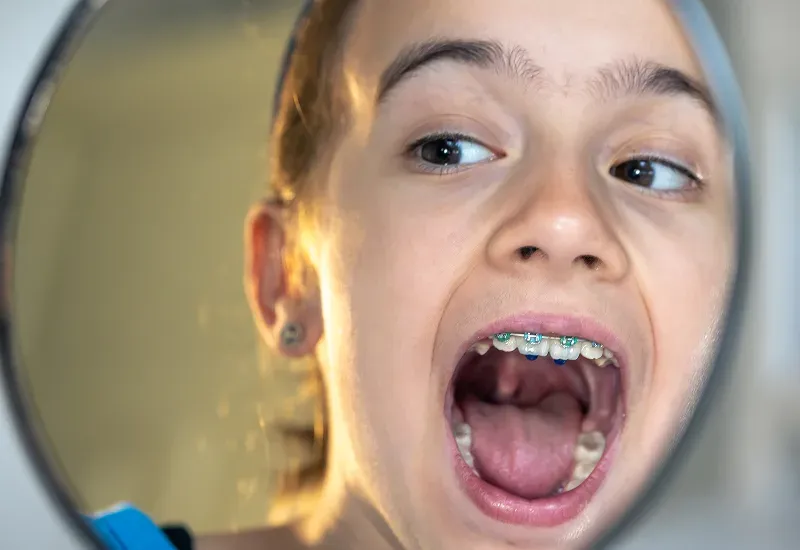
Myth 2: Braces Are Only for Teenagers
The belief that braces are meant only for teenagers is one of the most outdated adult braces misconceptions. Many adults feel embarrassed seeking treatment because they assume orthodontics only works at a younger age. This leads to unnecessary delay and confusion, especially when people ask questions such as is Invisalign only for teens? In truth, adults can achieve excellent results because orthodontic treatment depends on healthy gums and bone, not age. More adults now choose clear aligners like Invisalign and ClearCorrect or discreet systems like Damon Braces, which blend seamlessly into professional and social life. Orthodontists have seen a consistent rise in adult cases, reflecting a shift toward prioritizing long-term oral health. Straightening teeth as an adult improves function, confidence, and overall oral hygiene, reaffirming that braces are not limited to a particular age group.
Myth 3: Braces Take Many Years to Work
Another widespread misconception is the braces treatment duration myth, which suggests that braces always require several years. This belief makes many people hesitant because they assume the process is excessively long. One of the most common search queries related to this is do braces take years to work? Treatment time varies from person to person. Factors influencing duration include the severity of misalignment, the type of appliance selected, and how well the patient follows instructions. With digital planning and precision mapping, clear aligner systems like Invisalign, ClearCorrect, and Smile Direct Club estimate predictable timelines for each stage of tooth movement. Self-ligating systems such as Damon Braces are designed for efficiency, reducing friction and allowing smoother movement. Although complex cases require more time, many mild and moderate issues can be corrected within a reasonable period. Today’s orthodontic truth shows that treatment no longer takes as long as people fear.
Myth 4: Braces Weaken Teeth
Worries about enamel damage have fueled the myth that braces can weaken teeth. This idea falls under common dental misconceptions and worries many patients who ask questions such as do braces weaken teeth? Braces themselves do not cause weakening, erosion, or decay. What can affect teeth is poor hygiene. According to recommendations supported by the American Dental Association, enamel remains healthy when brushing, flossing, and fluoride use are consistent. Braces simply guide teeth into alignment and do not harm the tooth structure. Problems arise only when plaque accumulates around brackets due to neglect. With proper care and regular checkups, teeth remain strong throughout treatment. The orthodontic truth is simple: braces do not damage teeth—lack of hygiene does.
Myth 5: Invisalign and Clear Aligners Have Their Own Myths
Clear aligners come with their own set of misconceptions, leading to confusion about effectiveness. Many people believe Invisalign myths such as aligners not being strong enough or only being intended for minor corrections. Another misconception is that Invisalign is only for teens, which is untrue. Aligner systems like Invisalign, ClearCorrect, and direct-to-consumer platforms like Smile Direct Club are backed by years of research and digital precision. These systems can treat a wide range of cases when supervised by experienced orthodontists. The biggest orthodontic truth is that the success of clear aligners depends on proper diagnosis, treatment planning, and patient compliance. Modern aligner technology gives patients flexibility without compromising results, busting the outdated treatment myths once and for all.
Myth 6: Metal Braces Are Outdated
Some people assume that metal braces are an old-fashioned choice and that newer systems always outperform them. This belief has created unnecessary confusion around metal braces myths. Modern metal braces are engineered with smaller brackets, smoother edges, and advanced archwires that are more comfortable and efficient. Systems like Damon Braces use self-ligating technology to reduce friction and shorten adjustment visits. Traditional braces remain one of the most effective treatment options, capable of correcting mild to complex cases with precision. With continuous innovation, metal braces remain a reliable and powerful orthodontic tool, proving they are far from outdated.
Myth 7: Braces Mean Extreme Diet Restrictions, What You Can Actually Eat
A common concern among new patients is the belief that braces require giving up most foods. This misconception leads to anxiety about diet restrictions braces and causes people to assume they must avoid entire food groups. Orthodontists clarify that the goal is not to restrict eating but to prevent damage to wires and brackets. Softer foods are recommended at the beginning because of initial soreness, but most daily meals remain perfectly acceptable. With mindful choices and careful chewing, patients can enjoy a wide variety of foods. Aligners like Invisalign and ClearCorrect add even more flexibility because they are removable during meals. The reality is simple: braces do not force a restrictive diet. They simply require smarter decisions to protect the appliance.
Final Thoughts
Understanding the difference between braces facts vs myths is essential for making informed decisions. Myths create fear, delay treatment, and prevent people from experiencing the benefits of aligned teeth and improved oral health. With advancements from trusted systems like Invisalign, ClearCorrect, Damon Braces, and guidance from organizations such as the American Dental Association, orthodontic treatment today is safer, more predictable, and more comfortable than ever. Clearing away orthodontic misconceptions empowers patients with real braces knowledge, true teeth straightening facts, and confidence in their orthodontic journey.
Resources:
Share This:
Disclaimer
This media/content or any other on this website does not prescribe, recommend, or prevent any treatment or procedure. Therefore, we highly recommend that you get the advice of a qualified dentist or other medical practitioners regarding your specific dental condition.