

Innovative Dental Solutions
Contact Us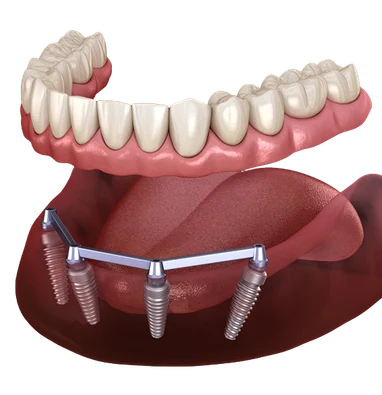
READY TO GET SERVICE?
GENERAL AND FAMILY DENTISTRY
SEDATION DENTISTRY
PEDIATRIC DENTISTRY
COSMETIC DENTISTRY
ORTHODONTICS
ADVANCED DENTAL TECHNOLOGY
Procure Healthy Smiles
You can experience the dentistry that goes beyond the basics with Studio City Dental Group.

Dental Implants in Studio City: Options, Process, Recovery, and Care
Dr. Melody Khonsari
October 5, 2026
Losing a tooth can affect chewing, speech, confidence, and how comfortable your smile feels. Patients exploring dental implants in Studio City often have practical questions: Which implant option fits my needs? What happens during treatment? How long does recovery take? And how do I care for the implant afterward? Understanding the complete process can make replacing missing teeth feel much more manageable.
At Studio City Dental Group, Melody Khonsari, DDS, evaluates gum health, available bone, bite forces, missing-tooth location, and individual goals before recommending treatment. A Studio City dentist may also use diagnostic imaging to understand the structures around the treatment area. Because every patient's mouth is different, implant treatment should be personalized rather than based on a standard timeline.

Which Dental Implant Options Can Replace Missing Teeth?
A single dental implant can replace one missing tooth with an implant-supported crown. When several neighboring teeth are missing, implants may support a bridge. Patients with more extensive tooth loss may also have implant-supported options designed to provide greater stability than conventional removable dentures.
The appropriate solution depends on how many teeth are missing, their location, bone support, gum health, and bite. Patients researching Studio City dental implants should therefore focus on personalized treatment planning rather than assuming one implant approach fits every situation.
How the Dental Implant Process Works
Dental implant treatment generally begins with an examination and diagnostic imaging. The dentist evaluates the missing-tooth area, jawbone, gums, bite, and nearby structures. If implant treatment is appropriate, the implant is positioned within the jawbone and given time to heal.
During healing, bone develops a close connection with the implant surface through a process called osseointegration. After sufficient stability develops, the implant can support the planned crown, bridge, or other restoration.
The complete sequence commonly involves:
- Consultation: Evaluate oral health, bone, bite, and treatment goals.
- Implant placement: Position the implant within the planned area.
- Healing: Allow surrounding bone and tissues to stabilize.
- Restoration: Attach the planned replacement tooth or teeth.
- Maintenance: Protect the implant through home and professional care.
What Should You Expect During Recovery?
Recovery varies depending on the treatment performed and individual healing. Temporary tenderness, swelling, or minor bleeding may occur after implant placement. Patients receive personalized instructions for cleaning the surgical area, eating, activity, and follow-up care.
Healing also continues below the surface after initial discomfort improves. The implant needs time to integrate with the surrounding bone before it can reliably support normal chewing forces. This is why follow-up appointments remain important even when the area feels comfortable.
“Dental implants become securely anchored when new supporting bone grows around the implant, a biological process known as osseointegration.”
What Makes Someone a Dental Implant Candidate?
Not everyone with a missing tooth automatically has the same implant treatment needs. Dentists in Studio City evaluate several factors before recommending implant placement.
- Healthy gums and appropriate plaque control.
- Adequate jawbone at the treatment site.
- Location and number of missing teeth.
- Bite forces and possible teeth grinding.
- Health and lifestyle factors that may influence healing.
Patients should discuss their complete health and dental history during consultation. The goal is to identify factors that may influence healing, restoration design, or long-term maintenance before treatment begins.
Dental Implants Compared with Other Tooth Replacements
Dental implants, bridges, and dentures replace missing teeth in different ways. An implant is supported within the jawbone and can hold a crown, bridge, or other restoration. A traditional dental bridge typically uses neighboring teeth for support, while removable dentures rest on the gums and surrounding oral tissues. These structural differences can influence stability, cleaning needs, treatment steps, and how each replacement functions during everyday activities.
Understanding these differences can make tooth replacement options easier to compare. Dental Implants vs Dentures: Key Differences Explained provides helpful information for patients comparing dental implants and dentures, including key differences in function, stability, maintenance, and everyday use.
Dental Implant Treatment at a Glance
| Stage | What Happens | Main Goal |
|---|---|---|
| Consultation | Oral health and imaging evaluation | Plan appropriate treatment |
| Placement | Implant positioned in jawbone | Establish stable support |
| Healing | Bone integrates around implant | Develop implant stability |
| Restoration | Replacement tooth is attached | Restore appearance and function |
| Maintenance | Home and professional care | Protect long-term oral health |
Essential Care for Long-Lasting Dental Implants
Dental implants do not develop cavities, but the tissues surrounding them still require careful maintenance. Plaque accumulation around an implant can affect gum and bone health.
Patients should brush consistently, clean around and between implant restorations, and attend recommended dental examinations. A dentist can monitor gum health, bite forces, restoration wear, and changes around the implant.
Long-term implant care should include:
- Consistent brushing and interdental cleaning.
- Professional examinations and cleanings.
- Monitoring gum and bone health.
- Avoiding habits that can damage restorations.
- Discussing grinding or clenching with your dentist.
FAQ
Still have a Question? Contact Us
Candidacy depends on gum health, available bone, bite forces, healing factors, oral hygiene, and individual clinical findings.
Conclusion
Dental implants can provide a stable, natural-looking replacement for missing teeth, but successful treatment depends on careful planning, healing, restoration design, and ongoing maintenance. Patients considering dental implants in Studio City should understand their implant options, recovery process, candidacy factors, and alternatives before deciding. A personalized evaluation can determine whether an implant-supported solution fits your oral health and long-term goals.
Contact your dentist in Studio City, Dr. Melody Khonsari, at Studio City Dental Group today to learn more about dental implant treatment.
Resource
Share This:
Disclaimer
This media/content or any other on this website does not prescribe, recommend, or prevent any treatment or procedure. Therefore, we highly recommend that you get the advice of a qualified dentist or other medical practitioners regarding your specific dental condition.