

Innovative Dental Solutions
Contact Us
READY TO GET SERVICE?
GENERAL AND FAMILY DENTISTRY
SEDATION DENTISTRY
PEDIATRIC DENTISTRY
COSMETIC DENTISTRY
ORTHODONTICS
ADVANCED DENTAL TECHNOLOGY
Procure Healthy Smiles
You can experience the dentistry that goes beyond the basics with Studio City Dental Group.
Top Benefits of Early Orthodontic Treatment for Kids
Dr. Melody Khonsari
January 7, 2026
Introduction: Why Early Orthodontic Treatment Matters
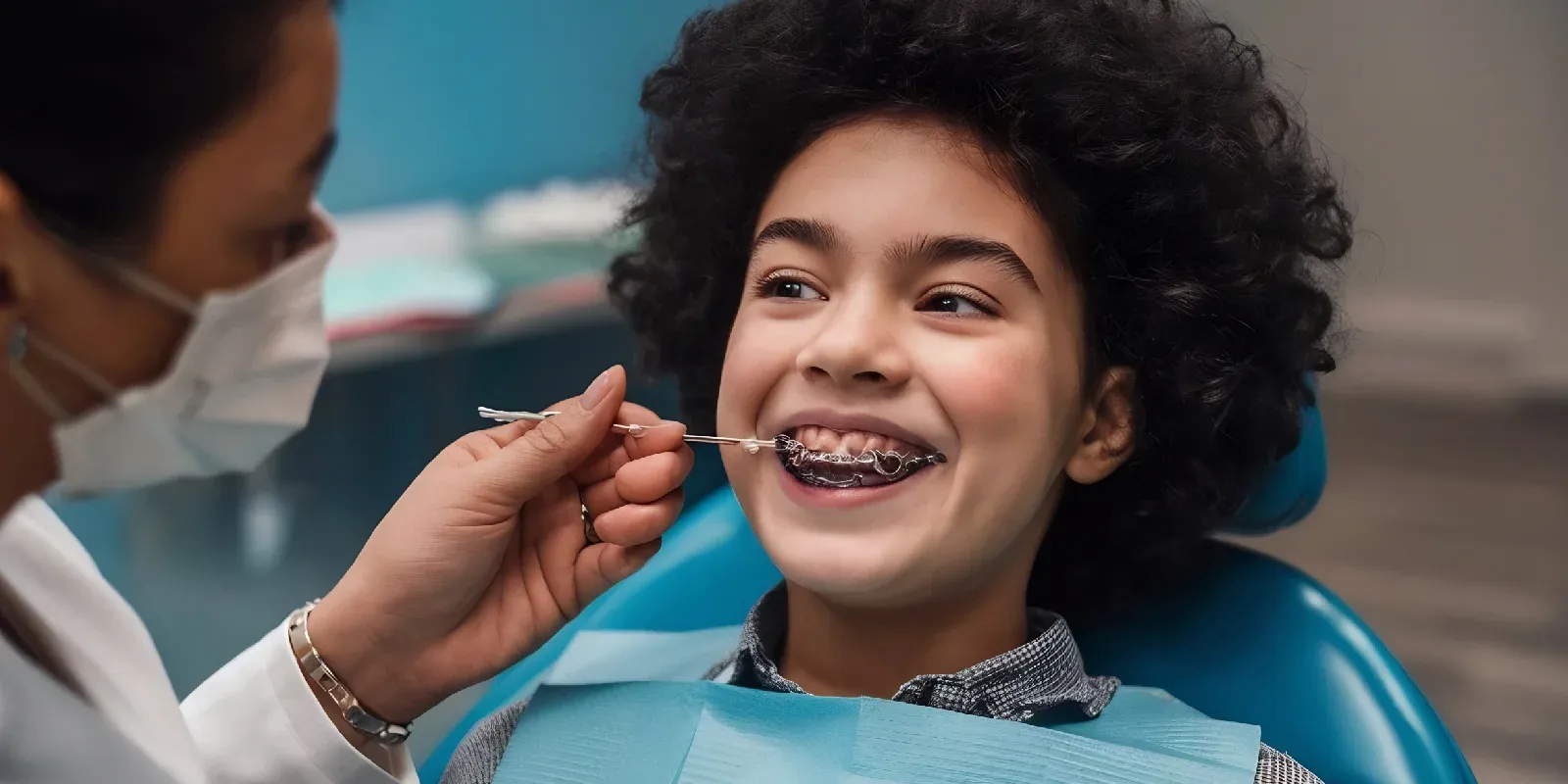
Early orthodontic treatment has become increasingly recognized as a crucial step in promoting long-term dental health for children. Parents often ask, “why start orthodontics early?” The answer lies in interceptive orthodontics, an approach designed to guide the growth of a child’s teeth and jaws during critical developmental stages. According to the American Association of Orthodontists (AAO), children should have their first orthodontic evaluation by age seven to identify potential alignment or bite issues early.
Early orthodontic treatment not only addresses cosmetic concerns but also provides functional benefits that influence jaw development, bite alignment, and overall oral health. By addressing problems before they worsen, parents can ensure that their child’s smile develops correctly, reducing the risk of complex procedures later on.
Understanding Interceptive Orthodontics and Phase I Orthodontics
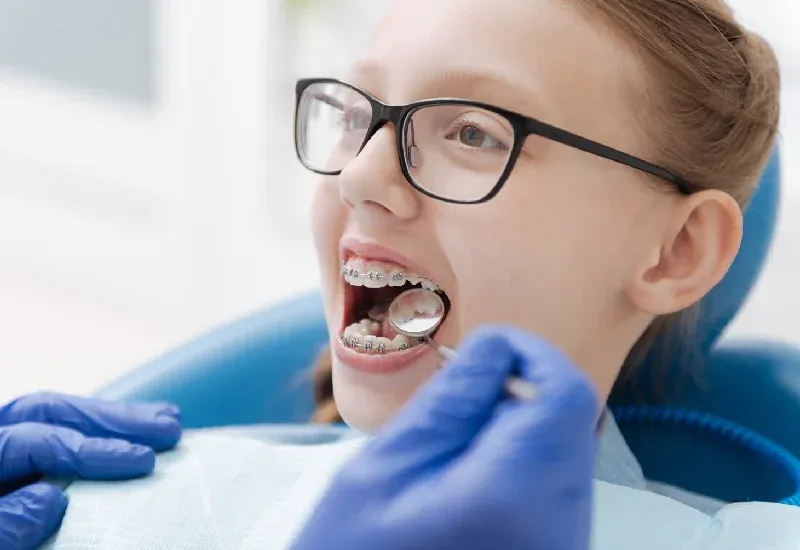
Interceptive orthodontics, often referred to as Phase I orthodontics, focuses on preventive strategies to correct misalignments in growing children. This approach is different from full braces treatment, as it aims to guide jaw growth and align teeth while children are still developing.
For instance, modern Ormco braces and the Myobrace System are designed to support proper dental arch formation and prevent future crowding. By leveraging these systems, orthodontists can influence natural tooth movement, which reduces the need for extensive procedures in adolescence. Early intervention also ensures that bite correction in kids occurs while growth is still flexible, improving functional outcomes and aesthetic results.
Key Benefits of Orthodontics for Kids
Promoting Healthy Jaw Development
One of the primary goals of orthodontic growth guidance is to influence jaw development. Early treatment allows orthodontists to modify growth patterns, ensuring that the upper and lower jaws align correctly. Techniques like growth modification and interceptive care help children achieve a balanced bite, which reduces the likelihood of issues such as crossbites, underbites, and overbites.
Correct jaw alignment supports proper facial symmetry and can have a positive impact on a child’s overall oral health. By guiding jaw development early, early orthodontic treatment addresses problems that could otherwise require more complex interventions later.
Preventing Future Dental Issues
Children who receive early intervention braces are less likely to experience overcrowding, impacted teeth, or severe bite problems in adolescence. Preventive orthodontics focuses on correcting minor misalignments before they worsen, which reduces the need for extractions, surgery, or prolonged orthodontic procedures later.
Addressing dental issues early also minimizes the risk of oral trauma, as protruding or misaligned teeth are more prone to injury. Properly aligned teeth are easier to maintain, promoting long-term dental health and reducing the chance of cavities or gum disease in the future.
Enhancing Oral Function and Comfort
Beyond cosmetic appeal, early orthodontic treatment improves oral function and comfort. Proper bite correction in kids allows for efficient chewing and speech development. Misaligned teeth or jaws can lead to discomfort, uneven wear, and difficulty with everyday activities like eating and speaking.
Through pediatric orthodontic care, children can experience better oral comfort as their teeth and jaws align correctly. Techniques used in Phase I orthodontics, such as gentle expanders or habit-correcting appliances like the Myobrace System, support both functional and aesthetic benefits.
When Should Kids Get Braces Young?
Parents often ask, “Should kids get braces young?” While not every child requires immediate intervention, orthodontists recommend that children undergo an initial evaluation by age seven. Early evaluation helps determine whether early orthodontic treatment is necessary and whether a child would benefit from interceptive care.
The right age for braces depends on several factors, including jaw growth, tooth eruption patterns, and bite alignment. Modern systems like Ormco braces allow for subtle and effective early corrections, often simplifying or shortening treatment later on. Early treatment can prevent issues that may require prolonged orthodontic care during adolescence.
Tools and Approaches in Early Orthodontics
Advances in orthodontic technology have enhanced the effectiveness of interceptive orthodontics. The Myobrace System, for example, targets oral habits such as tongue thrusting or thumb-sucking, which can negatively impact jaw development and tooth alignment.
Similarly, Ormco braces offer precise adjustments that guide teeth into proper positions while supporting natural growth patterns. These tools align with preventive orthodontics, helping children achieve effective alignment correction without the need for invasive procedures.
Early intervention devices not only guide tooth and jaw development but also improve oral function, ensuring that children have an easier time maintaining dental hygiene. By combining habit correction, growth guidance, and gentle appliances, orthodontists can achieve better long-term outcomes.
How Early Treatment Supports Long-Term Dental Health
One of the most compelling reasons for early orthodontic treatment is its impact on long-term dental health. By addressing issues such as misalignment, crowding, or bite irregularities early, orthodontists help children avoid more complex and costly treatments later.
Children who undergo Phase I orthodontics or interceptive care often experience shorter treatment durations for full braces, reduced risk of extractions, and fewer complications during adolescence. Early intervention ensures that teeth erupt in the correct positions, reducing wear, preventing decay, and supporting overall oral function.
Moreover, early orthodontic treatment enhances a child’s self-esteem by providing a more harmonious smile during formative years. This emotional benefit is often overlooked but plays a key role in a child’s social development. Parents asking, “does early orthodontics save money later?” can see tangible value, as proactive care reduces future orthodontic complexity.
Final Thoughts
Investing in pediatric orthodontic care through early orthodontic treatment has far-reaching benefits. From supporting proper jaw development and bite correction in kids to preventing future dental issues and enhancing long-term dental health, early intervention lays the foundation for a lifetime of healthy smiles.
Innovations like Ormco braces, the Myobrace System, and Phase I orthodontics make early treatment more effective, comfortable, and growth-friendly. By understanding the principles of interceptive orthodontics and acting at the right time, parents can ensure that their children enjoy both functional and aesthetic benefits.
For parents asking, “should kids get braces young?” the answer lies in a timely evaluation and personalized care plan. Early treatment is not just about straight teeth; it is a comprehensive approach to preventive orthodontics, ensuring that every child has the opportunity for optimal dental health and a confident smile.
Resource:
5 Ways Orthodontic Treatment Can Improve Your Confidence and Health
Share This:
Disclaimer
This media/content or any other on this website does not prescribe, recommend, or prevent any treatment or procedure. Therefore, we highly recommend that you get the advice of a qualified dentist or other medical practitioners regarding your specific dental condition.