

Innovative Dental Solutions
Contact Us
READY TO GET SERVICE?
GENERAL AND FAMILY DENTISTRY
SEDATION DENTISTRY
PEDIATRIC DENTISTRY
COSMETIC DENTISTRY
ORTHODONTICS
ADVANCED DENTAL TECHNOLOGY
Procure Healthy Smiles
You can experience the dentistry that goes beyond the basics with Studio City Dental Group.
Are 3D Dental X-rays Necessary for Every Visit?
by Dr. Melody Khonsari
November 13, 2026
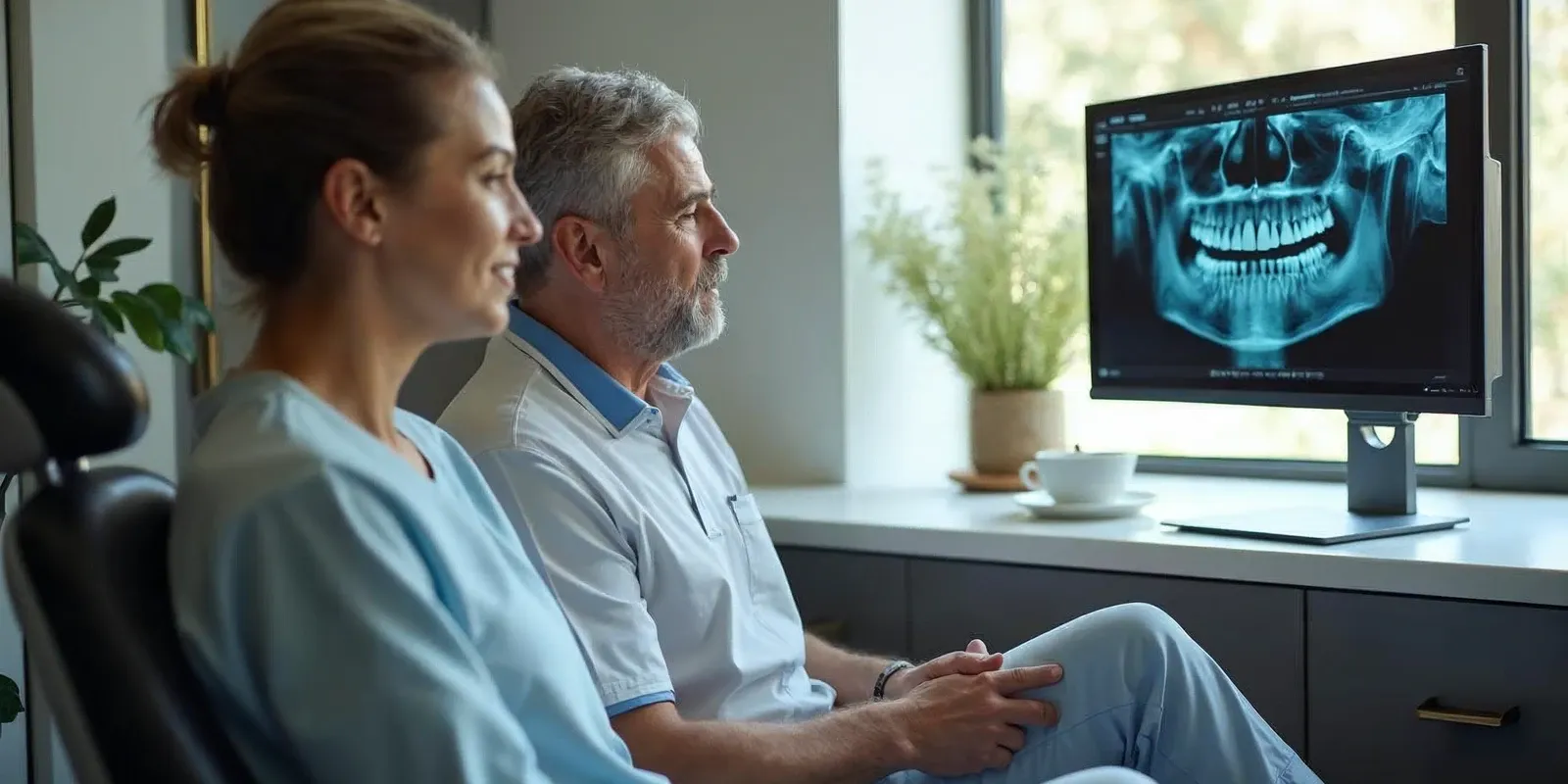
If you are sitting in the chair for a checkup and hearing that imaging may be needed, the next question is usually simple, are 3D dental X-rays necessary for every patient? This post answers that question in plain terms, so you know why a dentist may choose a 3D scan, when standard X-rays are enough, and why the decision changes from one visit to the next.
At Studio City Dental Group, Dr. Melody Khonsari and the team use digital imaging as part of a larger exam, not as a fixed step for every appointment. You can read more about the service on our Digital X-rays & 3D Wellness Scans page, where the focus is on matching the image to the clinical need.
For many routine visits, a careful exam and standard bitewing or periapical X-rays can provide the information a dentist needs. In other situations, a 3D scan shows structures in more detail, which can help with planning care for impacted teeth, implants, root canal concerns, jaw issues, or other areas that are harder to assess on flat images.

When a 3D scan makes sense
A 3D scan may be chosen when the dentist needs to see depth, width, and relationships between structures that a 2D image cannot fully show. That can include nerves, sinuses, bone volume, impacted teeth, and the exact location of a problem tooth or lesion.
The goal is to gather only the information that changes the plan. If a routine exam and standard X-rays answer the clinical question, a 3D image may add little value and may not be the next step.
During an exam at Studio City Dental Group, Dr. Melody Khonsari looks at your symptoms, dental history, gum health, and the area of concern before deciding which images fit best. The team then explains why a scan is being used and how it supports the visit, so the process stays tied to your actual findings rather than a one-size-fits-all schedule.
Are 3D dental X-rays necessary for every patient?
No, and that is the key point behind the question. 3D imaging is one tool in dentistry, but it is not automatically needed for every patient, every exam, or every follow-up visit. A dentist decides based on the clinical situation, the area being evaluated, and whether a flat image already gives enough detail.
Routine preventive care often starts with a conversation, an oral exam, and standard digital X-rays. For many people, those images are enough to check for decay between teeth, monitor bone levels, or look for changes over time. Our earlier post, Why Do I Need Dental X-Rays, explains how regular imaging fits into general care and why dentists do not use the same view for every purpose.
The American Dental Association notes that dental X-rays are prescribed based on each patient’s needs, and imaging should be selected to answer a specific diagnostic question. You can see that guidance on the ADA’s dental X-rays page. That principle applies to 3D imaging as well, which is why the exam matters more than a fixed rule.
When standard X-rays are enough
Standard X-rays are often used for everyday dental care because they are fast, familiar, and useful for common checks. They can show cavities between teeth, changes around fillings, the roots of teeth, and bone levels around the teeth and gums.
For a lot of visits, that information is enough. A patient coming in for a cleaning, a small symptom check, or a routine follow-up may not need a 3D scan if the exam and standard images already explain what is happening.
- Checking for decay between back teeth
- Watching gum and bone levels over time
- Reviewing a tooth that has been filled or crowned
- Confirming the position of a tooth before a minor procedure
That approach fits many people who come in for preventive care. It keeps imaging focused on what is needed that day, instead of using the most detailed scan in situations where a simpler image answers the question.
When 3D imaging adds useful detail
3D dental imaging is usually chosen when more spatial information is needed. It can show a tooth and the surrounding bone from multiple angles, which helps when a dentist is planning care that depends on exact measurements or relationships.
That often applies to dental implants, some oral surgery cases, suspected root problems, impacted wisdom teeth, sinus-related concerns, or jaw anatomy that needs a broader view. If you want to compare the different image types, our post 3D dental scans vs traditional X-rays goes into the practical differences between a 3D scan and standard imaging.
In those situations, the scan helps the dentist see a complete picture before treatment starts. That does not mean every case needs it, only that the added detail becomes useful when the diagnosis or treatment planning depends on more than a flat view can show.
What the exam decides, not a calendar
There is no universal schedule that says a patient must have a 3D scan at every visit. The choice depends on age, symptoms, medical and dental history, prior findings, and the specific area being checked. A child with a simple routine visit, an adult with stable gums, and a patient planning implant treatment may all need different imaging.
In practice, the dentist weighs what the image can add against its radiation, since a 3D scan uses more radiation than a standard dental X-ray. That is why a clean, healthy mouth may only need limited imaging at some visits, while a new concern may call for a more detailed view. If you are interested in how this fits into care for gum disease, our deep cleaning page covers one treatment that often follows a careful diagnosis.
At Studio City Dental Group, that decision is part of the appointment, not something added automatically. Dr. Melody Khonsari reviews what is being checked, what past images show, and whether a 3D scan would change the next step. That keeps the imaging tied to diagnosis and planning rather than routine alone.
Imaging at a glance
This quick chart shows how routine X-rays and 3D scans differ in the way dentists use them during a visit.
Standard digital X-rays
Often enough for routine exams, cavity checks, and basic follow-up care.
3D dental scan
Used when depth, bone shape, or nearby structures need a fuller view.
Routine cleaning visit
May need no new imaging if recent X-rays and the exam already answer the question.
Implant or surgery planning
More likely to benefit from 3D detail before treatment begins.
Ongoing monitoring
Usually based on the area, symptoms, and previous findings, not a fixed schedule.

“3D imaging is chosen for the question in front of the dentist, not for every visit on the calendar.”
FAQ
Still have a Question? Contact Us
No. Some new patients only need a clinical exam and standard X-rays, while others may need a 3D scan because of symptoms, prior treatment, or planned care. The dentist decides after looking at the mouth and the reason for the visit.
It is better for some questions and unnecessary for others. Standard X-rays are usually enough for routine checks, while a 3D scan gives more detail for anatomy, implants, or surgical planning.
There is no fixed schedule for every patient. The timing depends on changes in symptoms, the area being monitored, and whether the dentist needs a more detailed view than standard imaging provides.
Coverage can affect how imaging is handled, but the clinical decision comes first. The dentist recommends the image based on the exam, then the office can help explain the next steps.
Yes, they are commonly used to check for decay between teeth and to monitor bone levels around the teeth. A 3D scan is not usually the first choice for those everyday findings.
Conclusion
So, are 3D dental X-rays necessary for every patient? No, not every time. The right image depends on the problem being checked, the detail needed, and whether a standard X-ray or exam already gives the dentist what they need.
That is the practical approach at Studio City Dental Group, where imaging supports diagnosis instead of replacing it. If you want the next part of the series, it looks at what 3D dental imaging can show that standard X-rays may miss.
Our sister practice, One Dental Studio City, explains this service on its website.
To discuss your own imaging needs with Studio City Dental Group and Dr. Melody Khonsari, use the contact page to reach the office and schedule a visit.
More in this series
Share This:
Disclaimer
This media/content or any other on this website does not prescribe, recommend, or prevent any treatment or procedure. Therefore, we highly recommend that you get the advice of a qualified dentist or other medical practitioners regarding your specific dental condition.